
National Capital Young Guns: Accountability Is the Competitive Edge
Talent may open the door, but growth depends on how an athlete responds when the standard is not met.
In competitive sport, accountability is more than admitting a mistake. It is the discipline of owning an assignment, listening to correction and taking the next action required to improve. Coaches can teach technique, outline a game plan and define expectations, but athletes are responsible for how they receive that information and whether they apply it under pressure.
That responsibility becomes most visible after a missed rotation, a failed play or an assignment left unfinished. The accountable athlete does not immediately look for an explanation, point to a teammate or argue about the circumstances. Instead, the response is direct: acknowledge what happened, understand what should have happened and prepare to execute the correction on the next opportunity.
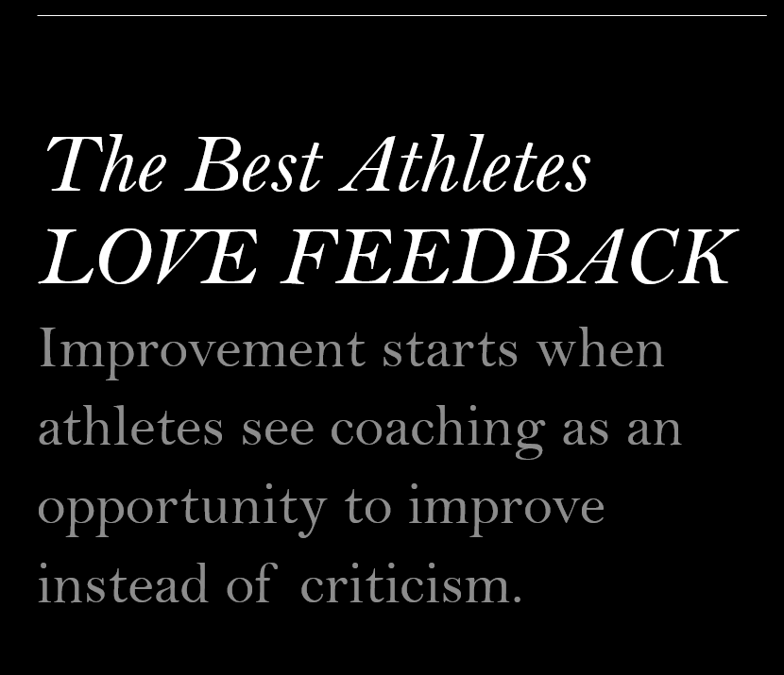
Being coachable is central to that process. Instruction and criticism are not attacks on an athlete’s character; they are information about performance. A coachable competitor listens fully, asks a useful question when clarification is needed and then puts the feedback into practice. The goal is not to prove that the mistake was understandable. The goal is to make sure it is less likely to happen again.
This approach requires humility. Competitive athletes often care deeply about their performance, and correction can feel uncomfortable in the moment. Yet defensiveness slows improvement. When an athlete responds with “yes, coach,” studies the instruction and attempts the adjustment, the conversation stays focused on the team’s objective. When the response becomes a list of reasons, attention shifts away from the solution.
A positive attitude does not mean pretending that errors do not matter. It means meeting them with energy, composure and purpose. Body language, tone and effort all communicate whether an athlete is ready to learn. Teammates notice who stays engaged after a setback, who encourages others and who returns to the next play prepared rather than frustrated.
Accountability also builds trust. Coaches can rely on athletes who accept their role and carry out instructions. Teammates can compete with confidence when everyone owns both preparation and execution. Over time, that reliability becomes a competitive advantage because fewer moments are lost to blame, debate or distraction.
The most effective response to criticism is simple: listen, own it, correct it and move forward. Athletes who make that response a habit give themselves the best chance to improve—not only in skill, but also in leadership, resilience and team value. In a competitive environment, the ability to be coached may be one of the strongest indicators of how far an athlete can go.
